Using Drones to Deliver Life-Saving Medicines in Flood-Affected Regions

Project Overview

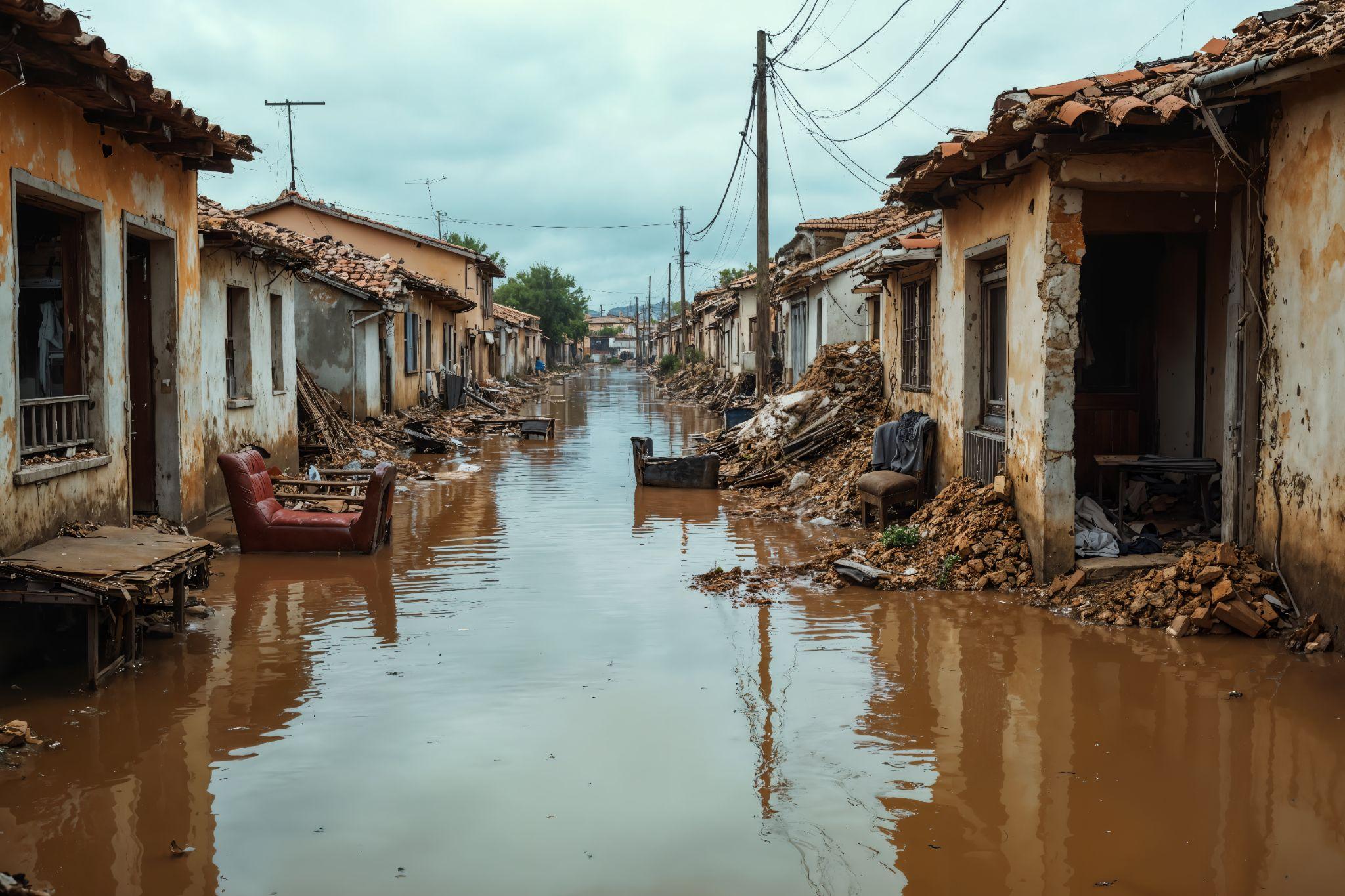
Every monsoon season, several remote regions become completely inaccessible due to flash floods, landslides, and damaged roads. In 2023, an innovative initiative was launched in collaboration with a state government and local NGOs to implement a drone-based medicine delivery system. This solution ensured critical healthcare supplies could reach isolated communities swiftly and safely, even in the most challenging weather conditions.

The challenge

During peak flooding, over 30 villages across 4 districts became unreachable for weeks, cutting off access to life-critical medications and vaccines.

2. Manual Supply Chains Were Too Slow

Even boats or helicopters were unreliable, expensive, and limited by weather conditions or red tape.

3. Storage Conditions Were Poor

Temperature-sensitive medicines (like insulin or vaccines) often spoiled during transit due to poor cold chain infrastructure.

4. Lack of Real-Time Tracking

Once dispatched, there was no way to track when or where deliveries reached — causing stock duplication or critical shortages.

The Solution

1. AI-Driven Drone Fleet Deployment

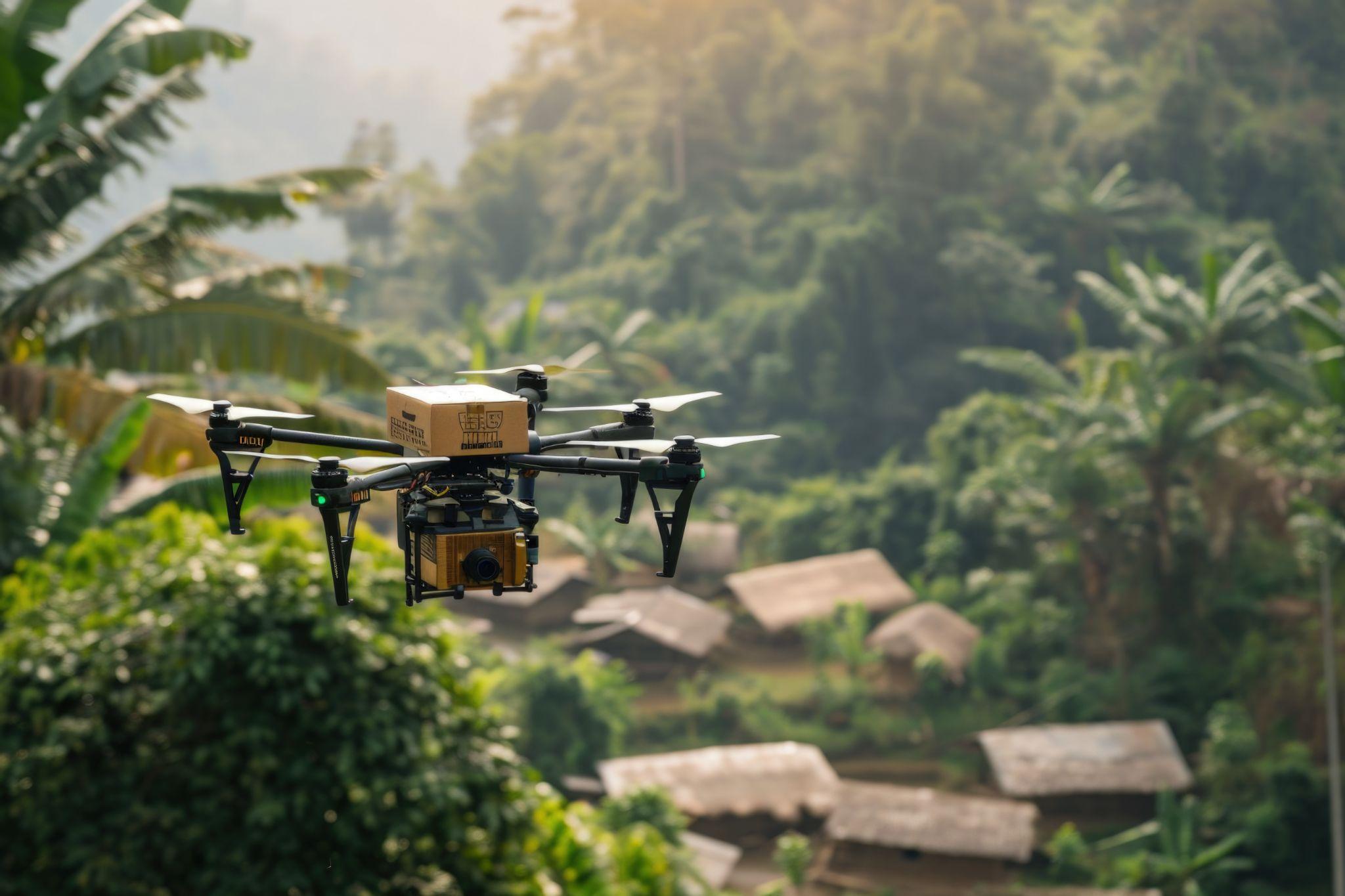
MediFly deployed 20+ drones capable of carrying up to 5 kg over 20–30 km. AI algorithms selected optimal routes by checking live weather, elevation, and wind data.

2. Cold-Chain Pods With Real-Time Monitoring

Custom containers with thermal lining and digital thermometers were designed. Data was synced to mobile apps for doctors to track package temperature and location.

3. Village-Level Drone Landing Pads

Lightweight helipads made from bamboo and tarpaulin were constructed with help from locals. Training was provided for safe handling of deliveries.

4. Integrated Digital Command Dashboard

A real-time dashboard showed dispatch, flight time, route, ETA, and confirmation. NGOs and PHCs could request emergency supplies on-demand.

Results

1. 150+ Emergency Deliveries in 3 Months

Critical medicines reached over 40,000 people in flood-prone zones, saving countless lives, especially diabetic and pediatric patients.

2. Average Delivery Time Reduced by 80%

Previously, some villages waited 3–4 days. Drones delivered in under 45 minutes with zero breakdowns.

3. 95% Cold Chain Compliance

The new pods ensured medication integrity from dispatch to delivery, reducing spoilage significantly.

4. Community Participation Skyrocketed

With local youth trained as drone navigators and medical volunteers, the model saw high grassroots involvement and public trust.

Future Outlook

MediFly plans to:
Expand to 5 more flood-prone states in the next 18 months

Introduce solar-charging drone stations for off-grid zones

Add blood sample pickups for remote diagnostics

Partner with WHO and National Disaster Management Authority to create a drone disaster-response blueprint

Using Drones to Deliver Life-Saving Medicines in Flood-Affected Regions

Related Case Studies

expert 200+
Experts

Do not hesitate to contact us to ❤️ say hello.

(+91) 8800464848

Engage with our network of experts