The Solution
1. AI-Powered Structural Health Monitoring with Lidar + Drones
ArteGuardia deployed high-resolution LiDAR scanners on drones to capture the basilica’s surfaces in millimeter detail. AI algorithms compared current scans with historical 3D models to detect stress shifts and crack progression in real time — even before visible damage occurred.
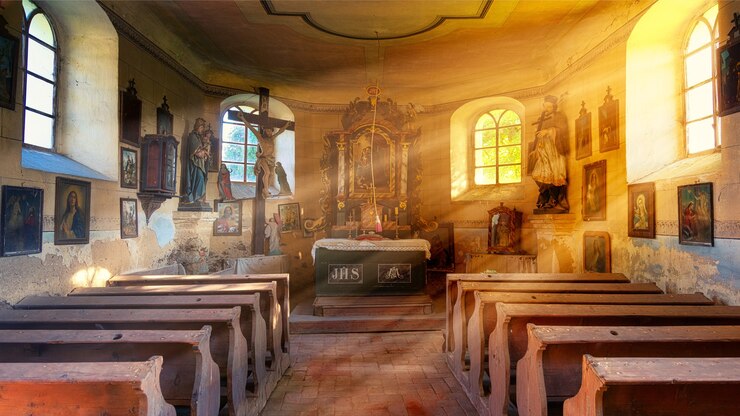
2. Environmental AI for Art Protection
Climate sensors were installed near key art pieces to continuously record temperature, humidity, and particulate density. The AI flagged risk thresholds and triggered automated microclimate adjustments (like increasing airflow or lowering light exposure) — preventing invisible degradation.
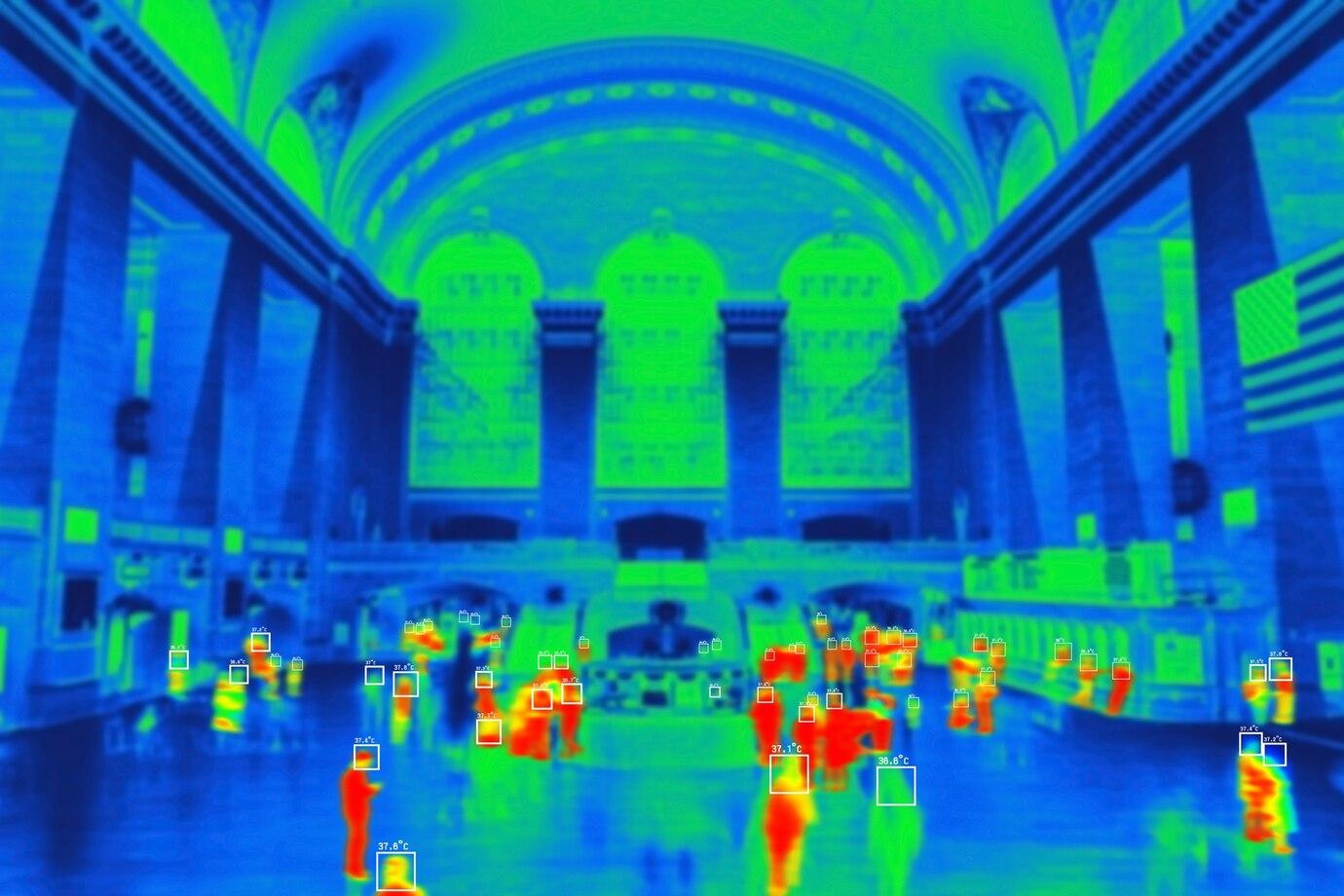
3. Crowd Movement Heatmapping via Computer Vision
Non-invasive AI cameras tracked foot traffic across the basilica without recording faces. This data helped predict crowd peaks, dynamically restrict access to high-risk areas, and redirect flow toward less-sensitive sections — improving both preservation and visitor experience.
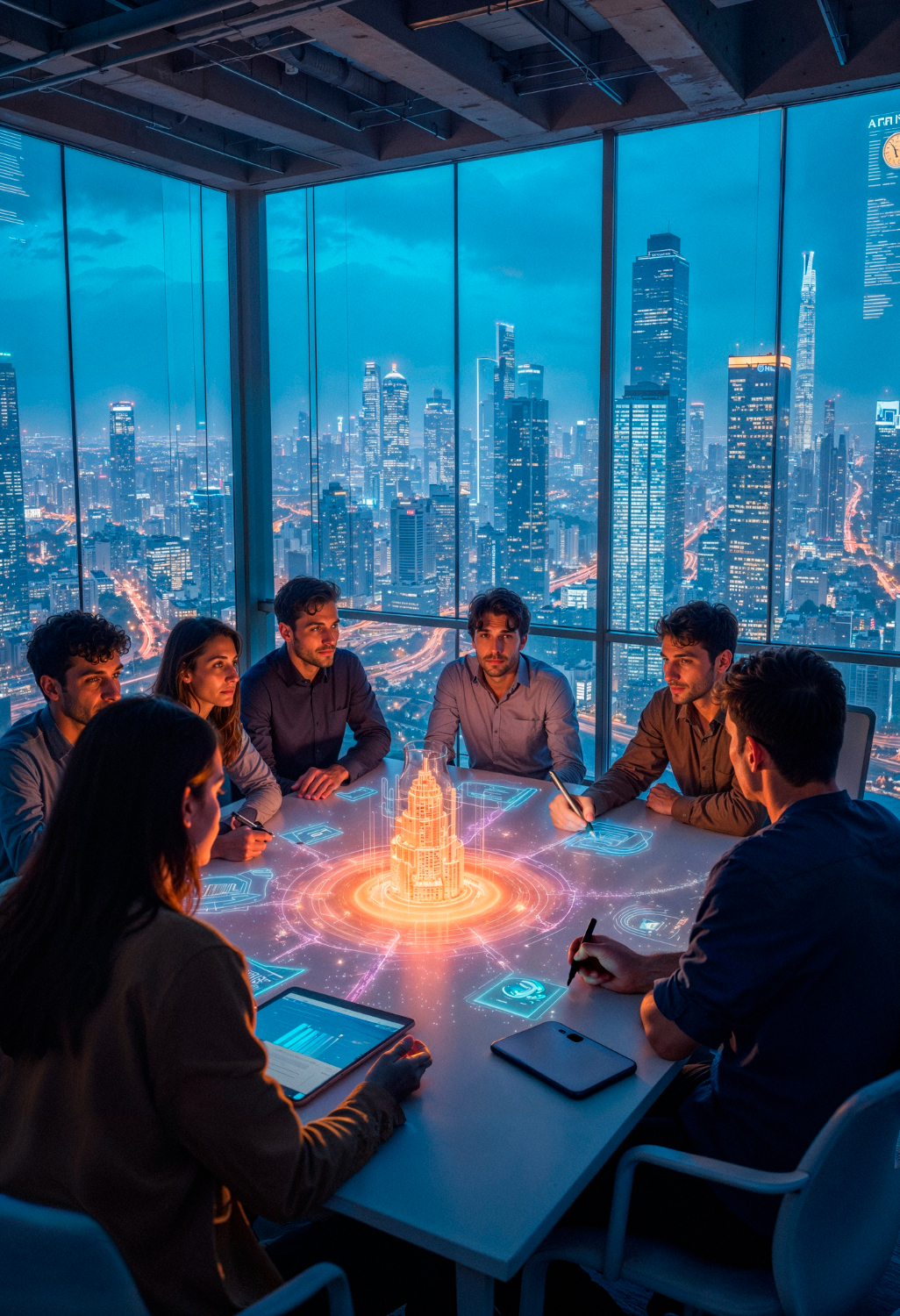
4. Centralized Heritage Intelligence Dashboard
All insights — from crack depth to climate conditions — were unified in an AI-driven dashboard. Conservators, architects, and Vatican officials could simulate restoration outcomes, monitor trends, and plan future interventions backed by solid predictive analytics.