Building an AI-Powered Innovation Lab for Market Discovery

Project Overview

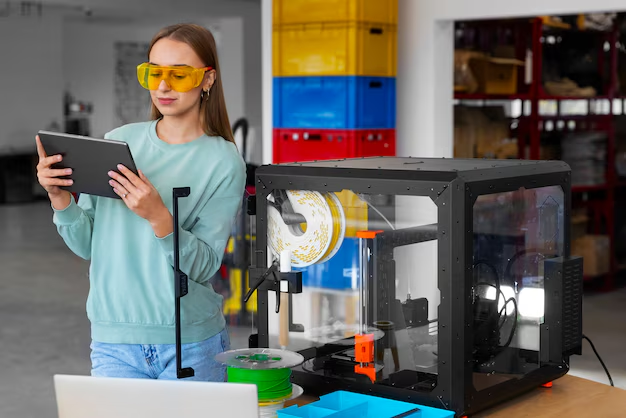
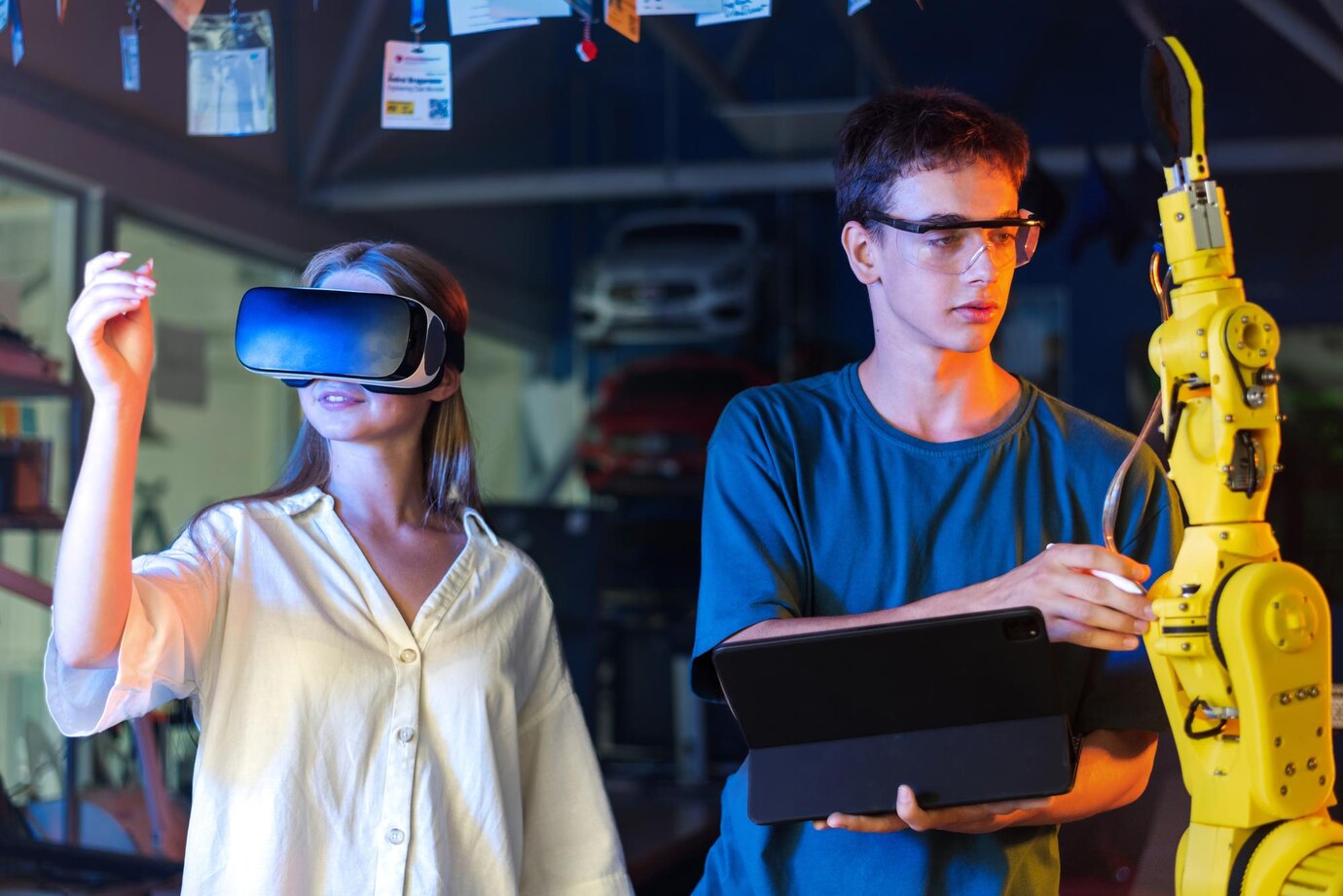
A consumer electronics company wanted to future-proof its product strategy by tapping into data science and predictive insights. While they had vast data from CRM, sales, feedback, and IoT devices, they lacked an infrastructure to transform raw data into actionable product innovation. We built an in-house Innovation Lab powered by AI/ML models, custom dashboards, and real-time analytics pipelines. The lab processed millions of data points to identify feature gaps, market sentiment trends, regional demands, and pricing opportunities. Insights from the lab enabled faster go-to-market strategies, higher product-market fit, and proactive adaptation to customer needs—turning data into a competitive edge.
The challenge

  • Siloed Data from Multiple Sources Data was spread across marketing, IoT sensors, service centers, and support tickets with no unification or standardized tagging. Analysts had to manually collate datasets.
  • Limited Insight Extraction Capabilities While raw data existed, there were no models or tools to derive forward-looking insights. Decisions were based on intuition or historical averages, not trends or predictions.
  • Long Product Iteration Cycles It took 6–8 months to incorporate feedback and develop new product versions. The company lacked tools to simulate user sentiment and predict successful feature combinations.
  • Inability to Spot Market Shifts Regional product preferences, emerging competitors, and shifting demand patterns were not visible until too late—leading to late responses and lost revenue opportunities.

The Solution

  • Centralized Data Lake Deployment We implemented a secure, scalable data lake using AWS S3 and Glue. All historical and real-time data from sales, marketing, customer care, and devices were ingested into a unified schema.
  • Machine Learning-Powered Insight Models Using Python and ML libraries (XGBoost, Prophet), we developed models to detect sentiment shifts, predict regional sales demand, and recommend product improvements based on user feedback patterns.
  • Interactive Product Insight Dashboard A React-based UI visualized product health KPIs, feature request trends, and competitor benchmarking—making it easier for product teams to identify next-gen opportunities.
  • NLP Engine for Feedback Mining Support tickets, product reviews, and social media comments were processed using NLP models to auto-cluster feedback into actionable categories like “battery life,” “sound quality,” or “delivery delays.”
  • Simulated Product Testing with AI
    Virtual simulations were created to test how hypothetical product features would perform in specific markets using synthetic personas based on real user behavior clusters.

Results

  • 45% Faster Time-to-Feature Insights from the lab helped teams define product requirements faster, reducing the average feature rollout time from 6 months to under 3.5 months.
  • 2x Increase in Regional Sales Localized product bundling and region-specific feature prioritization, identified by AI, drove sales growth in previously underperforming Tier-2 and Tier-3 regions.
  • 60% Higher Market Fit Score Product-market alignment improved significantly through data-backed updates. The NPS (Net Promoter Score) and review ratings jumped by 1.4 points across major SKUs.
  • 80% Reduction in Feature Guesswork Product decisions were no longer based on gut feeling. Teams relied on confidence scores from the lab’s simulation engine to validate every new release.

Future Outlook

The lab will evolve into a full product intelligence center, integrating real-time IoT data, competitor benchmarking, and user behavior modeling.

  • IoT-Based Product Telemetry
    Device-level data (e.g., usage patterns, wear-and-tear) will be streamed to the lab in real-time, giving deep insights into how customers actually use products.
  • AI-Led Roadmap Planning
    We’re building AI models to auto-prioritize product features and improvements based on aggregated impact analysis from historical success and customer feedback.
  • Real-Time Voice Sentiment Analysis
    Voice support calls will soon be analyzed for emotion and sentiment using AI, providing an even deeper look at user frustration or delight in specific use cases.
  • Competitive Market Mapping
    External data sources like ecommerce reviews, industry news, and patent filings will be scraped and structured into a live “competitor radar” dashboard.
  • Auto-Personalized Product Suggestions
    Dynamic product recommendation engines are being tested to allow users to co-create bundles based on need, use case, and purchase intent.

Building an AI-Powered Innovation Lab for Market Discovery

Related Case Studies

expert 200+
Experts

Do not hesitate to contact us to ❤️ say hello.

(+91) 8800464848

Engage with our network of experts