Preserving and Enhancing St. Peter’s Basilica Through AI

Project Overview

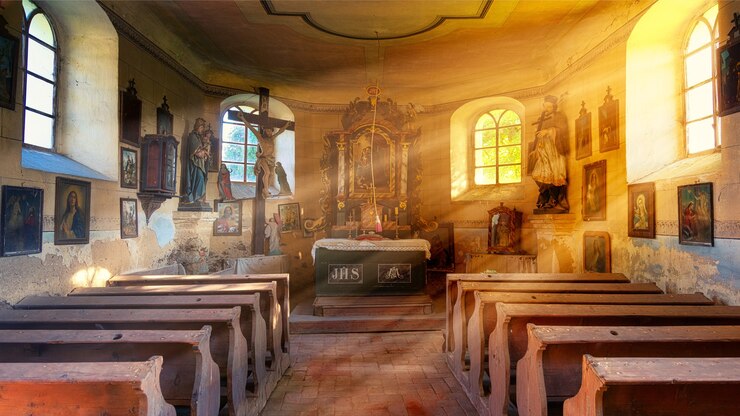
St. Peter’s Basilica is one of the most sacred, historically significant, and artistically rich monuments in the world — drawing millions of visitors each year. Yet behind its grandeur lies the challenge of preserving over 500 years of intricate architecture, fragile sculptures, and aging frescoes from environmental damage, wear-and-tear, and pollution. In 2023, a collaborative initiative between the Vatican and heritage technology experts deployed Artificial Intelligence (AI) for digital preservation, real-time structural health monitoring, and predictive conservation planning. The aim was to strengthen conservation efforts while respecting the sanctity and artistic integrity of the site.

The challenge

1. Micro-Cracks in Ancient Structures

St. Peter’s dome and supporting pillars began showing signs of micro-fractures due to time, vibrations, and weather shifts. Manual inspections missed subtle changes, and scaffolding-based checks were time-consuming and expensive.

2. Environmental Damage to Frescoes and Artworks

The basilica’s priceless ceiling frescoes, mosaics, and marble sculptures faced humidity, temperature fluctuation, and air pollution from both weather and tourist movement — accelerating deterioration.

3. Tourist Footfall Causing Wear

Over 11 million visitors enter annually, unintentionally causing micro-abrasions on flooring, handrails, and entrance columns. Traditional crowd control wasn’t sufficient to protect sensitive zones.

4. Fragmented Conservation Records

Past preservation data existed in scattered formats — handwritten notes, photos, sketches, and PDF archives. This made long-term damage pattern analysis nearly impossible and restoration decisions slower.

The Solution

1. AI-Powered Structural Health Monitoring with Lidar + Drones

ArteGuardia deployed high-resolution LiDAR scanners on drones to capture the basilica’s surfaces in millimeter detail. AI algorithms compared current scans with historical 3D models to detect stress shifts and crack progression in real time — even before visible damage occurred.

2. Environmental AI for Art Protection

Climate sensors were installed near key art pieces to continuously record temperature, humidity, and particulate density. The AI flagged risk thresholds and triggered automated microclimate adjustments (like increasing airflow or lowering light exposure) — preventing invisible degradation.

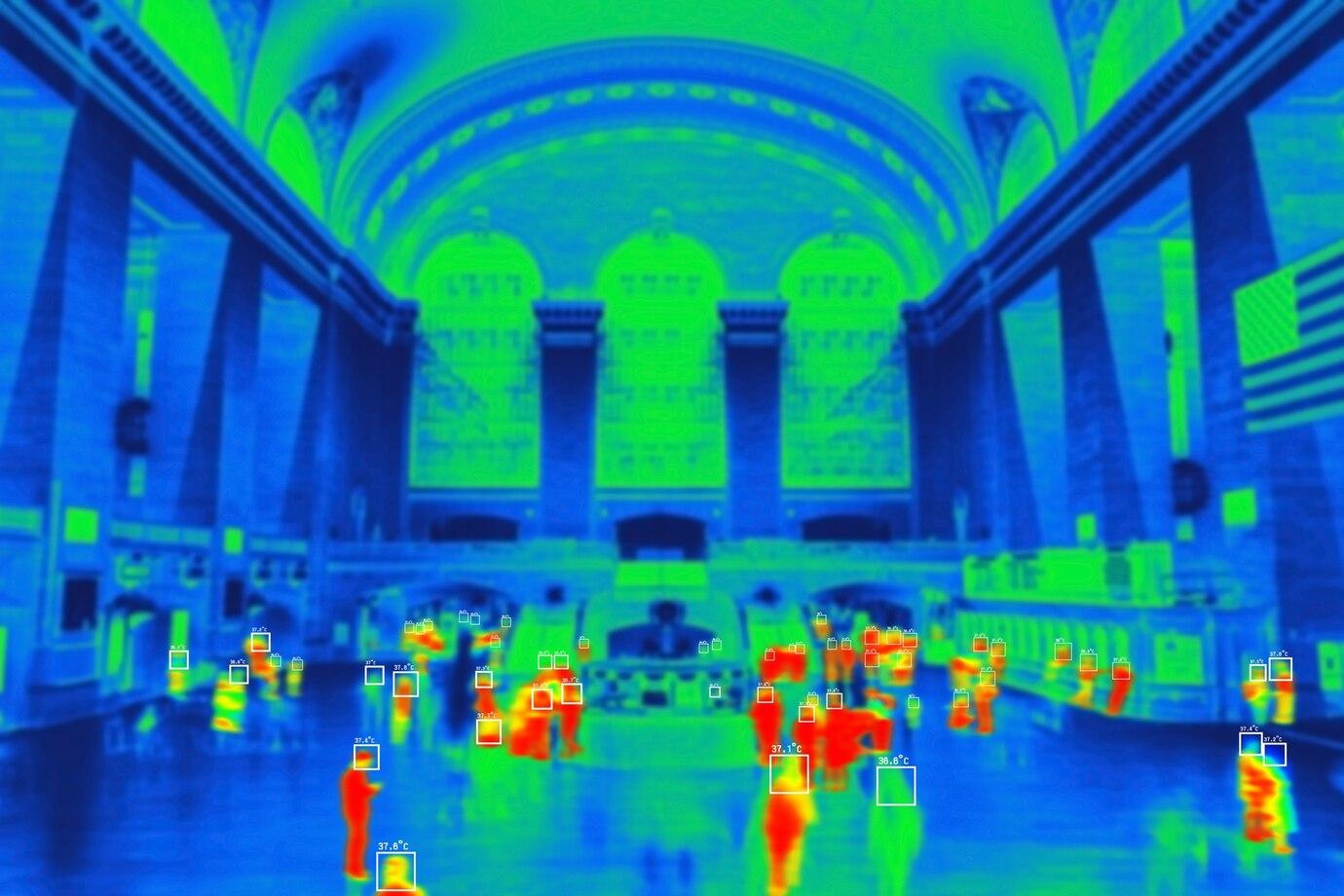
3. Crowd Movement Heatmapping via Computer Vision

Non-invasive AI cameras tracked foot traffic across the basilica without recording faces. This data helped predict crowd peaks, dynamically restrict access to high-risk areas, and redirect flow toward less-sensitive sections — improving both preservation and visitor experience.

4. Centralized Heritage Intelligence Dashboard

All insights — from crack depth to climate conditions — were unified in an AI-driven dashboard. Conservators, architects, and Vatican officials could simulate restoration outcomes, monitor trends, and plan future interventions backed by solid predictive analytics.

Results

1. Reduced Structural Inspection Time by 80%

What previously required manual climbing and monthly scaffolding was replaced with weekly drone scans — slashing time and risk, and providing 10x more precision in identifying stress points.

2. Fresco Degradation Slowed by 60%

AI-guided climate control maintained stable micro-conditions near Michelangelo’s and Bernini’s masterpieces — protecting their pigmentation and structure from gradual breakdown.

3. Tourist Impact Minimized Without Affecting Experience

Heatmap data helped limit overexposure to sensitive areas like the Baldachin and St. Peter’s Chair, while still allowing full access to the basilica. Zones were rotated for cleaning and “rest days” intelligently, extending flooring life by over 25%.

4. Digital Conservation Blueprint Created

All models, insights, and actions are now part of a long-term digital preservation archive — ensuring that future conservators can access decades of AI-processed heritage data in one place.

Future Outlook

With a successful pilot phase completed, the Vatican and ArteGuardia plan to:
Extend the same system to Sistine Chapel, Vatican Museums, and Castel Sant’Angelo

Introduce augmented reality tours using AI-generated 3D overlays that show “before and after” states of restored artworks

Develop AI-based risk prediction models factoring in weather, tourist data, and material decay trends

Train new-generation heritage tech professionals with access to the AI platform

Collaborate with UNESCO to offer the system to other global heritage sites at risk of climate damage or over-tourism

Preserving and Enhancing St. Peter’s Basilica Through AI

Related Case Studies

expert 200+
Experts

Do not hesitate to contact us to ❤️ say hello.

(+91) 8800464848

Engage with our network of experts